
Journal · Teams
Why personality matters as much as skill in remote teams
 ArmTri Team · Oct 16, 2026 · 4 min read
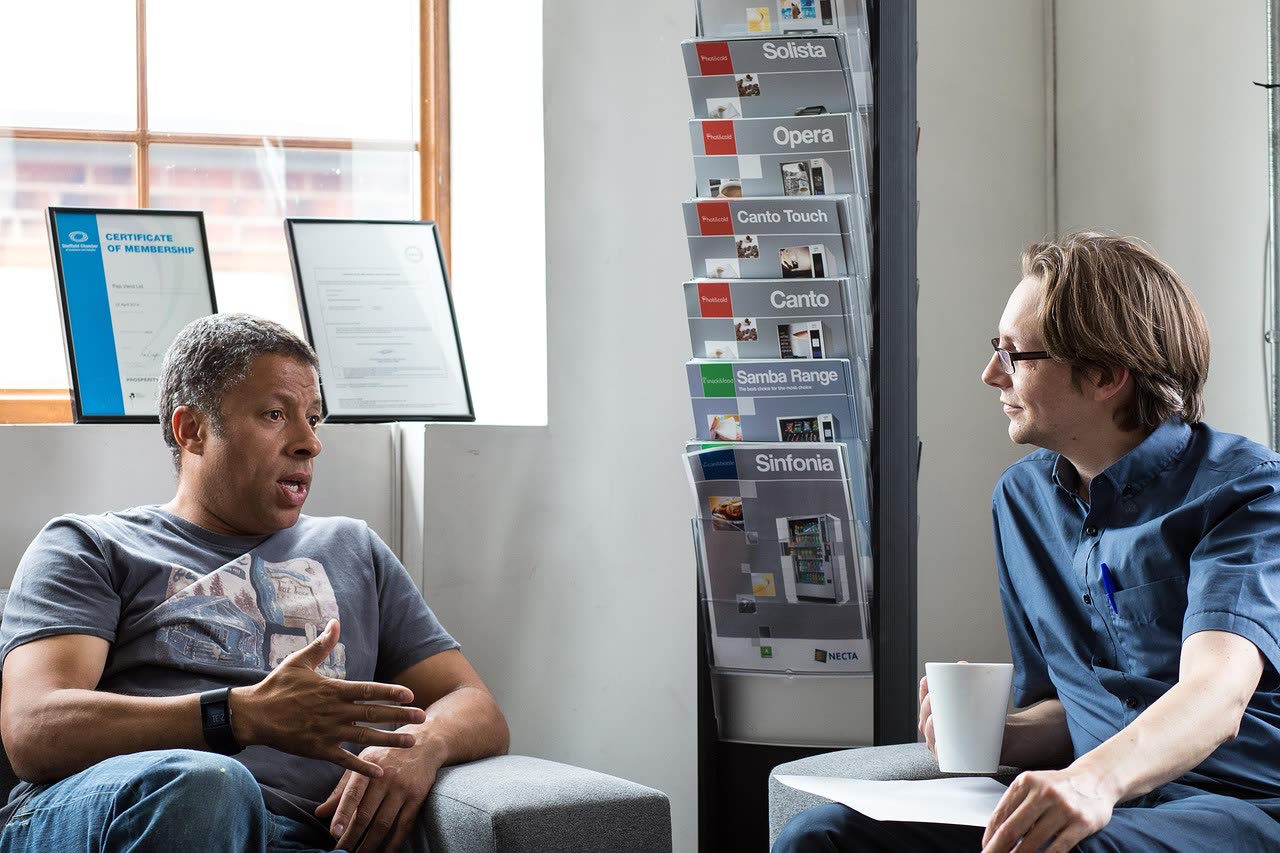
Skill gets someone hired. Fit gets the product shipped. Why matching personalities is the quiet factor behind remote teams that deliver.
Skill is necessary, not sufficient
Every team member needs the skills for the job. But two equally skilled people can produce very different results depending on who they work with. Remote team collaboration happens mostly in writing and in short calls, so small differences in how people communicate add up quickly.
Think of the last project that went badly. It was rarely because someone could not do the work. More often it was misunderstandings, slow decisions, or one person whose way of working wore the others down.
Where mismatches show up
They rarely look dramatic. A reviewer who comments in one word and a developer who needs context. A lead who decides fast and a designer who wants to explore first. A team that never asks questions in the open. Each of these is small; together they slow a product down and make good people leave.
In an office, these frictions get smoothed over at lunch or in a quick chat at the desk. Remotely, there is no hallway. A short comment reads colder than it was meant, a missing question turns into a wrong assumption, and the problem only shows up in the next review.
What good remote team collaboration needs
Good collaboration in a distributed team rests on a few shared expectations: how quickly people reply, how much context a message carries, how disagreements are raised and how decisions are recorded. Teams can agree on these rules, but they work far better when the people already lean in the same direction.
That is why team fit is not about everyone being alike. It is about working styles that fit together well enough that the shared rules feel natural rather than forced.
Industry knowledge plays a quieter role here too. People who already understand your customers share a vocabulary, so fewer messages need explaining and fewer decisions need a meeting.
What to match
Look at how someone gives and takes feedback, how they make decisions under uncertainty, how much structure they need, and how they communicate across cultures. None of these are better or worse on their own. What matters is that the people in one team complement each other instead of rubbing against each other.
Some combinations work especially well. A lead who decides quickly pairs well with a designer who explores within a clear time box. A developer who needs context does well with a reviewer who explains the reason behind a comment. The aim is balance, not sameness.
Practical questions help here. Ask candidates how they prefer to receive feedback, what they do when a requirement is unclear and how they want to hear that something is urgent. There is rarely a wrong answer, but the answers show quickly who will work well with whom.
Remote team building starts with who you hire
Remote team building is often treated as something you do after the team exists: virtual coffee, online games, a yearly meetup. Those help, but they cannot fix a team whose working styles clash every day. The strongest team building happens before the first day, when you choose who works together.
Once the team is in place, simple habits keep the fit strong: a short weekly moment to talk about how the collaboration is going, clear agreements on response times and one place where decisions are written down.
How ArmTri uses it
Personality is one of the three axes of the ArmTri Trifecta, next to skill and industry knowledge. We look at earlier collaborations and reviews, not only at a CV, and put people together whose ways of working fit. The goal is a team that needs fewer meetings to agree, and spends its time building.
In practice, that means a reviewer who explains and a developer who asks end up on the same team, and a lead who decides quickly gets a designer who is comfortable working within clear time limits.
The short version
Hire for skill, match for personality, and give the team a shared goal. That is how a group of strong individuals becomes a team that ships.
If you want a team matched for skill, personality and industry knowledge, describe your product in the team builder.
Ready to see your team?
Assemble my ArmTri team